Metallic Wall Plaster Brisbane: Cost, Durability, and Installation Explained
Modern interiors rarely stay satisfied with plain painted walls. Something richer, textured, and slightly dramatic often steals attention. That is exactly where Metallic Wall Plaster enters the conversation.
Across Brisbane apartments, boutique cafés, luxury offices, and renovated Queenslander homes, metallic wall plaster has started appearing quietly yet confidently. Walls now reflect light differently, rooms feel deeper, and interiors suddenly look more refined without becoming loud.
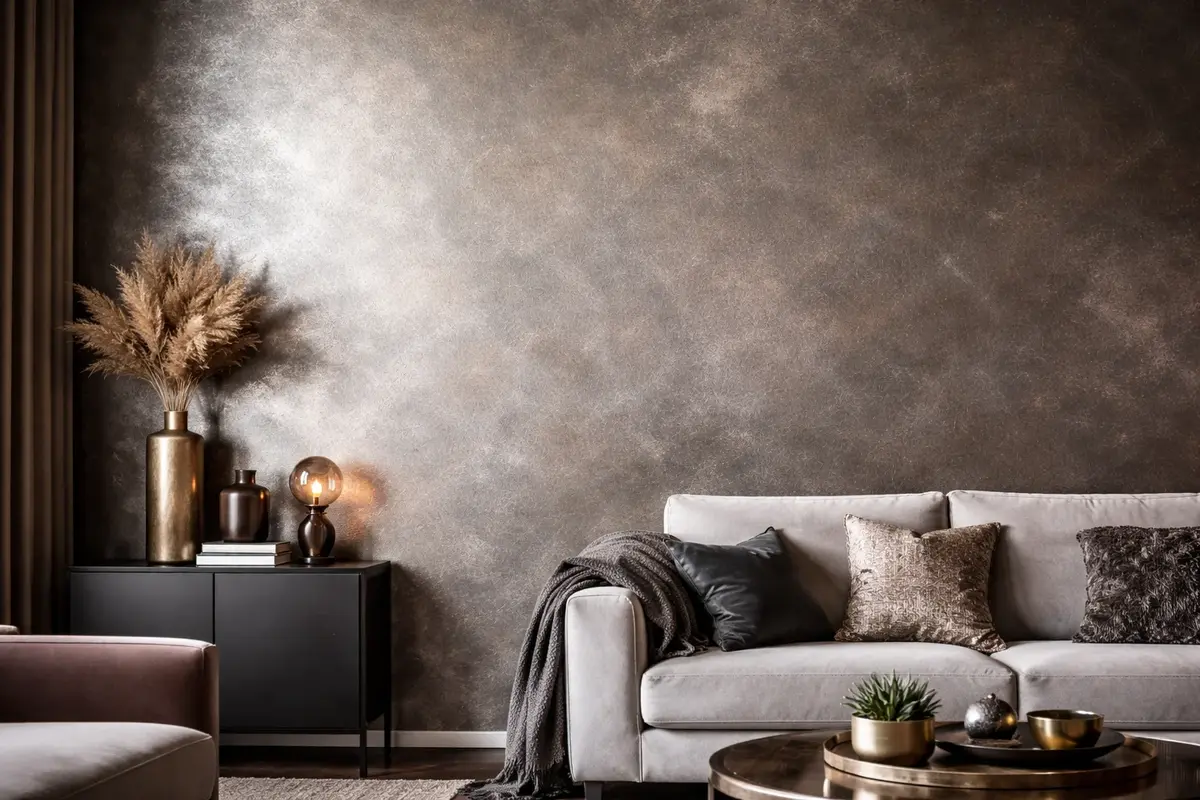
The finish carries a subtle shimmer that changes with lighting conditions, making it one of the most sought-after metallic finishes Brisbane has to offer for high-end interiors. During daylight, the surface appears soft and elegant, while at night, artificial lighting reveals a deeper glow that feels less like paint and more like architecture.
Designers across Brisbane increasingly recommend metallic wall finishes because they combine aesthetic appeal with durability. The material holds texture, hides minor wall imperfections, and resists daily wear far better than standard paint.
Decorative plaster demand rising in Brisbane interiors
Interior design trends rarely shift overnight. In Brisbane, the move toward textured walls crept in gradually through hospitality spaces before reaching residential projects. Cafés and boutique retail stores began experimenting with reflective plaster surfaces because they looked striking under warm lighting and photographed well for marketing.
Once those spaces gained popularity online, homeowners began noticing the difference between flat paint and layered finishes. Renovation clients began inquiring how builders created those surfaces. The answer frequently involved metallic wall plaster, though installers usually describe it simply as decorative plaster to avoid overwhelming clients with technical terms.
The demand also increased because of a growing frustration with plain white interiors. Minimalism served its purpose for a while, but eventually every apartment block began looking the same. Texture offered a way to reintroduce personality without overwhelming a room. Decorative plaster provided that texture while still keeping the palette relatively restrained.
Common Mistakes During Decorative Plaster Installation
- Poor wall preparation before plaster application
- Hiring installers only because they offer the cheapest quote
- Starting plaster work while other renovation work is still happening
- Ignoring how natural light affects the wall finish
- Skipping protective sealant layers to save money
- Expecting a perfectly uniform surface like paint
Material composition and behaviour of metallic plaster
Most people assume metallic plaster is simply paint mixed with shimmering pigments. That misunderstanding causes many unrealistic expectations. The structure of metallic wall plaster is far more complex, typically involving mineral compounds, binders, and metallic powders blended into a workable plaster mixture.
Once it’s on the wall, this plaster acts more like a thin layer of stone. Pros use trowels instead of rollers to spread several fine layers. Every pass packs the material down, building those signature reflective patterns you see in metallic wall plaster. It creates a finish that actually plays with the light rather than just bouncing it back.
The material itself is durable, but only if applied correctly. Poor mixing ratios or rushed application can leave streaks or uneven pigment distribution. That problem tends to appear months later when sunlight exposes inconsistencies across the wall. Experienced installers usually take longer with each layer because small mistakes become very visible once the plaster cures.
Cost realities behind decorative metallic wall systems
Cost conversations around decorative plaster often start awkwardly. Clients expect something comparable to paint pricing and quickly realize that decorative finishes occupy a completely different category. Installing metallic wall plaster involves far more labor, preparation, and skill than applying a standard coating.
Preparation alone can consume a significant portion of the budget. Walls need to be smooth and stable before the plaster goes on. Any crack, ripple, or uneven surface telegraphs through the final finish. Contractors frequently spend hours repairing plasterboard joints and sanding surfaces before the decorative layer even begins.
Material cost also varies depending on pigment quality and layering technique, especially when working with high-quality metallic polished plaster. Premium metallic powders increase the price. Choosing cheaper products may help some homeowners cut costs, but they often discover that the finish looks dull compared to the samples they originally admired, which ultimately diminishes the depth of the final appearance.
Installation process realities on active building sites
The installation process for decorative plaster often differs from what design plans suggest, especially when adhering to specific Queensland building standards for interior renovations. Real job sites introduce complications that architects rarely account for, as factors like temperature, humidity, and even airflow inside the room can significantly affect how the plaster dries.
Setting up a metallic wall plaster finish usually takes a few days of layering. You have to let each coat partially dry before moving on. If you rush it, you’ll see defects down the line—mostly when the metallic pigments start catching the light in weird, uneven patches.
The environment on-site matters way more than most realize. Dust from other contractors can easily ruin the finish. Things like electrical tweaks or carpentry often force delays. This is exactly why experienced pros want total control over the space while the plaster is going up.
Longevity expectations and durability in Brisbane homes
Durability is a massive selling point for these finishes. Regular paint starts looking tired after a few years, especially with kids, pets, or moving furniture around. Metallic Wall Plaster just handles that kind of daily wear and tear differently.
Because it’s layered, the surface hides those tiny scratches that would ruin a normal painted wall. Minor marks just blend into the natural texture of the plaster, so you aren’t stuck doing constant touch-ups. It’s perfect for busy spots like hallways or living rooms.
Still, durability depends heavily on the installer’s technique. Poorly sealed surfaces can absorb moisture or stains, especially in humid environments. Brisbane’s climate occasionally exposes weak installations where sealants were skipped or applied too thinly. Those failures reinforce why skilled applicators remain essential for achieving the longevity people expect from metallic wall plaster.
Comparison: Metallic Wall Plaster vs Standard Paint
Many homeowners debate between decorative plaster and paint.
A simple comparison highlights the differences.
| Feature | Metallic Wall Plaster | Standard Paint |
| Texture | Rich layered finish | Flat surface |
| Durability | 15–20 years | 5–8 years |
| Maintenance | Low | Moderate |
| Appearance | Luxury decorative | Simple |
| Cost | Higher upfront | Lower upfront |
While paint remains cheaper initially, metallic wall plaster often provides greater long-term value due to its durability, aesthetic appeal, and lower maintenance costs over time.
Common homeowner mistakes when choosing wall finishes
I see one mistake over and over: picking a finish based only on a photo. Online pictures never truly show how a surface reacts to real-world lighting. Metallic wall plaster can shift looks completely depending on the sun or your light bulbs.
Timing is another big hurdle. People often try to squeeze in the plastering while other trades are still wrapping up. All that dust and movement can mess up the finish before it’s even dry, leading to a lot of frustrating rework.
Budget decisions also create problems. Some clients try to reduce costs by limiting preparation work or choosing cheaper materials. That approach often backfires. Decorative plaster amplifies surface imperfections rather than hiding them, which means shortcuts during preparation eventually become visible across the wall.
Trade-offs between aesthetics, budget, and maintenance
Every decorative finish has its trade-offs. While metallic wall plaster looks incredible and lasts forever, it definitely costs more upfront than paint. Most people find it’s worth the price for a feature wall, even if they don’t do the whole room.
You have to think about maintenance, too. The finish is tough, but if it does get damaged, you need a specialist to fix it. Matching that specific texture and pigment is nearly impossible without experience, which is why some stick to smaller areas.
Lighting design also influences the final appearance. Metallic surfaces reflect light differently from matte finishes. Poor lighting placement can exaggerate uneven textures or create unwanted glare. Designers often adjust lighting layouts once they know decorative plaster will be part of the interior design plan.
Metallic Wall Plaster finish considerations for Brisbane projects
Using metallic wall plaster in Brisbane properties introduces a few location-specific considerations. The region’s strong natural light can either enhance or expose the finish depending on application quality. Walls facing large windows often reveal more texture variation than shaded areas.
Humidity can really mess with drying times. While it holds up exceptionally well in the Brisbane climate once it’s sealed, the installation phase needs a close eye. Pros might hold off on that final polish if it’s too humid, as early burnishing can ruin the reflection.
Property style influences the decision as well. Contemporary apartments and renovated Queenslanders tend to embrace textured finishes more easily than traditional suburban homes. Even so, many homeowners discover that a single feature wall using metallic wall plaster can transform the atmosphere of an otherwise simple room.
Conclusion
Textured wall finishes continue gaining popularity as interior design evolves. Metallic wall plaster stands out because it offers more than decoration; it adds craftsmanship, durability, and depth that standard paint cannot achieve. Its reflective surface enhances lighting while helping conceal minor wall imperfections.
Throughout Brisbane, metallic plaster is a top pick for high-end feature walls. Whether it’s a subtle texture or a bold shine, it fits modern units and classic Queenslanders alike. Contact us today with a local expert for a quote to see how metallic wall plaster changes your space.
Frequently Asked Questions
-
What is Metallic Wall Plaster?
Metallic wall plaster is essentially a decorative finish packed with minerals and metallic pigments. It creates a soft shimmer and a textured look that shifts as the light changes. It’s a go-to for luxury interiors and commercial spots in Brisbane.
-
How long does metallic wall plaster last?
A professional metallic wall plaster job can easily last 20 years. Because it’s mineral-based, it’s incredibly tough and won’t peel or fade like paint. It keeps its look way longer and rarely needs those annoying little touch-ups.
-
Is metallic plaster suitable for Brisbane homes?
Yes, metallic plaster Brisbane installations work well in local climates. The breathable mineral structure helps reduce moisture buildup, which suits humid environments. Many Brisbane designers choose metallic wall finishes for living rooms, entryways, and commercial interiors.
-
What does metallic plaster cost in Brisbane?
For metallic plaster Brisbane projects, you’re usually looking at $80 to $250 per square meter. If you want a high-gloss polished finish or a custom texture, the price goes up because of the extra labor and layers involved, potentially reaching up to $300 per square meter depending on the complexity of the design.
-
Is metallic wall plaster difficult to maintain?
Metallic wall plaster is surprisingly low-maintenance. A quick wipe with a soft cloth and mild soap is usually all you need. The texture hides scuffs way better than flat paint, making it a smart choice for busy offices or homes.