
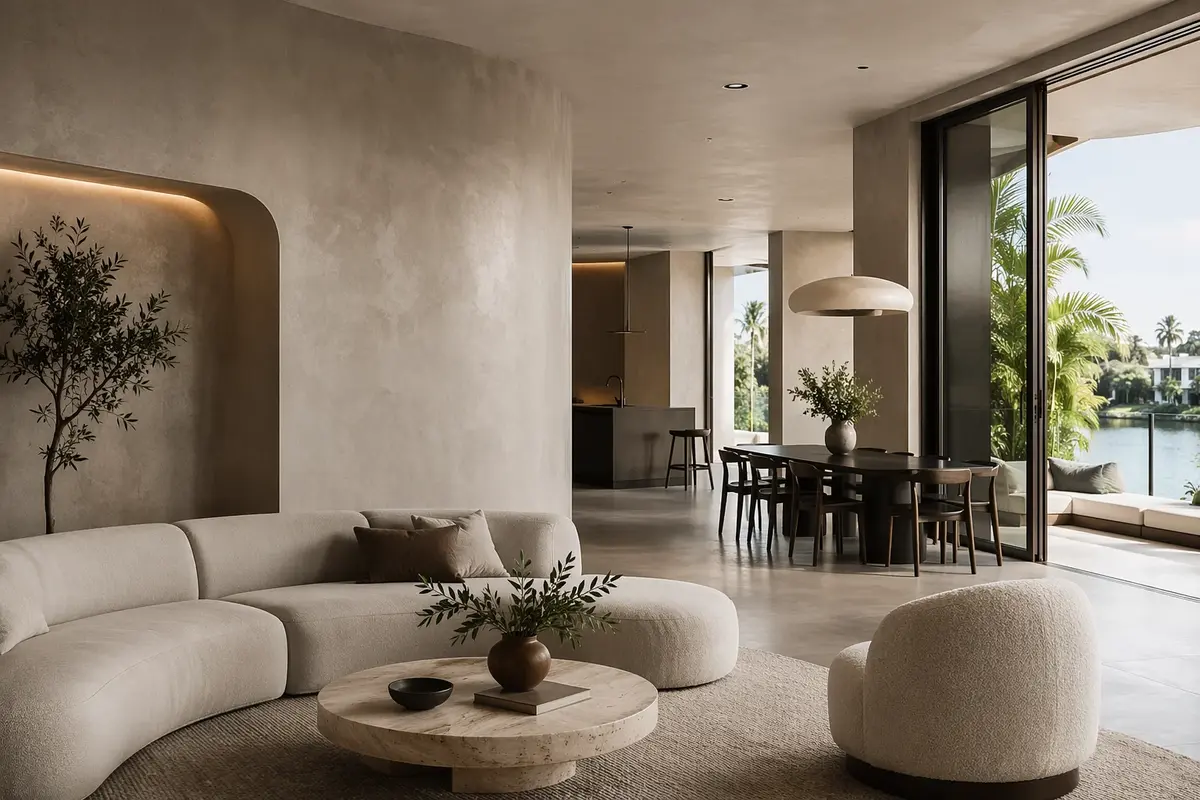
How Italian Plaster Enhances Modern Interior Design in Brisbane Properties
There’s a certain moment when you walk into a beautifully designed Brisbane home and instinctively pause. You may not immediately know why—but something feels elevated. The light reflects differently, the walls seem alive, and the space carries a quiet sense of luxury. More often than not, that subtle transformation comes down to Italian polished plaster.
If you’re like most young professionals in Brisbane, you’re not just decorating—you’re curating a lifestyle. You want interiors that feel modern, effortless, and refined, without becoming cold or overly minimal. That balance is tricky. Too much styling feels cluttered, too little feels unfinished. Italian plaster solves that tension in a way few materials can.
From my experience, once homeowners discover what Italian plaster can do, it shifts their entire approach to design. It’s no longer about adding more, it’s about choosing better. And in Brisbane’s evolving design scene, that mindset is becoming the new standard.
What Is Italian Plaster and Why Is Brisbane Embracing It?
Italian plaster, often referred to as polished plaster or Venetian plaster, is a centuries-old finishing technique crafted from natural lime and finely ground marble dust. But don’t let its history fool you—this material feels incredibly modern when used in today’s interiors.
What makes Italian polished plaster stand out is its layered application. Instead of a single flat coat like paint, it’s built up in multiple thin layers, then burnished to create depth, movement, and a soft sheen. The result is a surface that feels almost alive, subtly shifting depending on how light hits it throughout the day.
Brisbane homeowners are increasingly drawn to this material for both aesthetic and practical reasons. Architecturally, Brisbane homes are designed to maximise natural light and airflow. Italian polished plaster complements this perfectly, enhancing brightness without glare and adding warmth without heaviness.
There’s also a deeper, more practical appeal. Unlike synthetic finishes, Italian plaster is breathable. In a humid climate like Brisbane’s, that matters more than most people realise. It helps regulate moisture within walls, reducing the likelihood of mould and contributing to a healthier indoor environment.
The Visual Impact: Why Italian Plaster Transforms Modern Interiors
Modern interior design isn’t about filling spaces—it’s about refining them. Every element needs to earn its place. Italian plaster does exactly that by turning walls into features rather than backdrops.
What I love most about Italian plaster is how it interacts with light. In Brisbane homes, where sunlight pours in through large windows, this becomes a game-changer. Instead of absorbing light like matte paint, or reflecting it harshly like gloss finishes, Italian polished plaster diffuses it softly. The result is a warm, ambient glow that evolves throughout the day.
This dynamic quality adds a level of sophistication that’s hard to replicate. You don’t need excessive artwork or décor because the walls themselves carry visual interest. It’s a minimalist approach—but with depth and personality.
To break it down clearly:
- It creates a soft, luminous finish that enhances natural light
- It introduces texture without overwhelming clean, modern lines
- It works seamlessly with Brisbane’s popular neutral palettes
- It elevates simple spaces into architecturally refined interiors
In essence, Italian polished plaster allows you to do more with less—which is exactly what modern design is all about.
Italian Plaster vs Traditional Wall Finishes: A Clear Comparison
Choosing between Italian plaster and traditional finishes often comes down to understanding long-term value versus short-term convenience. At first glance, paint seems easier and cheaper—but the difference becomes clearer over time.
| Feature | Italian Plaster | Standard Paint | Wallpaper |
|---|---|---|---|
| Durability | Highly durable, long-lasting | Moderate | Can peel or bubble |
| Aesthetic Depth | Multi-dimensional, textured | Flat and uniform | Pattern-based only |
| Maintenance | Low, easy touch-ups | Requires repainting | Difficult to repair |
| Moisture Handling | Breathable, mould-resistant | Low resistance | Can trap moisture |
| Lifespan | 10–20+ years | 5–7 years | 5–10 years |
The real distinction lies in how each material ages. Paint tends to fade, chip, and require periodic refreshing. Wallpaper can date quickly and is often difficult to maintain. Italian polished plaster, on the other hand, matures beautifully. It develops character over time rather than deteriorating.
That’s why more Brisbane homeowners are moving away from disposable finishes and toward materials that offer both longevity and timeless appeal.
Why Italian Plaster Works Perfectly in Brisbane Homes
Brisbane’s climate isn’t just warm, it’s humid, coastal, and constantly shifting. That creates unique challenges for interior materials, especially wall finishes.
Italian plaster Brisbane applications are particularly well-suited to these conditions because of their lime-based composition. Lime is naturally breathable, meaning it allows moisture to move through walls instead of trapping it. This reduces condensation build-up and helps maintain a balanced indoor environment.
Midway through your research, it’s worth understanding how building materials impact indoor air quality and moisture control. The Australian Government Department of Climate Change, Energy, the Environment and Water provides guidance on sustainable materials and healthier housing practices, which reinforces why breathable finishes like Italian polished plaster are increasingly recommended.
Beyond climate performance, Italian plaster also aligns with Brisbane’s lifestyle. Homes here often blur indoor and outdoor living, with open-plan layouts and natural materials like timber and stone. Italian polished plaster complements this aesthetic effortlessly, adding a refined layer without disrupting the relaxed, coastal feel.
Popular Italian Plaster Finishes for Modern Brisbane Interiors
One of the most exciting aspects of Italian plaster is its versatility. You’re not limited to a single look—you can customise finishes to match your exact design vision.
Here are some popular options:
- Venetian plaster: Highly polished, reflective, and luxurious—perfect for statement walls
- Matte polished plaster: Soft, understated, and ideal for contemporary living spaces
- Textured finishes: Adds subtle movement and depth for a more organic feel
- Concrete-style plaster: Industrial-inspired, perfect for modern urban interiors
Each finish creates a different emotional response. Venetian plaster feels bold and dramatic, while matte finishes feel calm and grounded. The choice ultimately depends on how you want your space to feel, not just how you want it to look.
Where Italian Plaster Makes the Biggest Impact in Your Home
Italian plaster works best when used with intention. Rather than covering every wall, it’s more effective to highlight key areas where its texture and depth can shine.
In living rooms, feature walls become natural focal points, especially when positioned to catch natural light. Bedrooms benefit from softer finishes that create a relaxed, cocoon-like atmosphere. Bathrooms are another standout, Italian polished plaster transforms them into spa-like retreats with a seamless, luxurious finish.
Kitchens are increasingly incorporating Italian polished plaster as well, particularly in splashbacks or feature areas. When sealed correctly, it offers both durability and visual appeal. Entryways, meanwhile, provide an opportunity to make a strong first impression, setting the tone for the rest of the home.
The key is balance. Use Italian plaster strategically, and it elevates your entire interior without overwhelming it.
The Cost vs Value Equation: Is Italian Plaster Worth It?
Let’s be honest, Italian plaster isn’t the cheapest option available. But focusing purely on upfront cost can be misleading.
When you consider how often painted walls need refreshing, the long-term cost difference becomes less dramatic. Italian plaster, once applied, can last decades with minimal maintenance. That alone shifts the value equation significantly.
There’s also the intangible value. Homes finished with Italian polished plaster often feel more premium, more considered, and more architecturally refined. This perception can translate into higher resale value, particularly in Brisbane’s competitive property market.
In simple terms, you’re not just paying for a finish, you’re investing in a long-term upgrade to your living environment.
Maintenance and Longevity: What to Expect
One of the biggest surprises for homeowners is how low-maintenance Italian plaster actually is. Despite its luxurious appearance, it’s incredibly practical for everyday living.
Once sealed, the surface becomes resistant to stains and easy to clean. A simple wipe with a damp cloth is usually enough to keep it looking fresh. Unlike painted walls, which can show marks and require frequent touch-ups, Italian plaster maintains its integrity over time.
What makes it even more appealing is how it ages. Instead of fading or peeling, it develops a natural patina that enhances its character. It’s similar to how high-quality leather or timber improves with age—it becomes richer, more textured, and more unique. That kind of longevity is rare in modern interiors.
Choosing the Right Italian Plaster Specialist in Brisbane
Italian plaster is as much about craftsmanship as it is about materials. The final result depends heavily on the skill and experience of the applicator.
A professional team like Avenza Surface Design understands not just the technical process, but also the design intent behind each project. From selecting the right finish to ensuring flawless application, expertise makes all the difference.
When choosing a specialist, look for proven experience with polished plaster and Venetian plaster techniques. Review past projects, ask detailed questions, and make sure they understand your vision. A good applicator will guide you, not just execute.
Because with Italian plaster, the difference between good and exceptional is all in the details.
Conclusion
Italian plaster is redefining how modern interiors are designed in Brisbane. It offers a rare combination of beauty, durability, and functionality, making it an ideal choice for homeowners who want more than just a basic finish. From enhancing natural light to improving moisture control, it delivers benefits that go far beyond aesthetics.
If you’re ready to move beyond ordinary walls and create a home that truly stands out, Italian polished plaster is the upgrade worth considering. Connect with Avenza Surface Design today and start transforming your space into something refined, timeless, and uniquely yours.
FAQs
-
What is Italian plaster and why is it popular in Brisbane?
Italian plaster is a premium wall finish made from natural lime and marble dust, known for its texture, depth, and durability. It’s popular in Brisbane because it suits the climate, enhances natural light, and aligns with modern interior design trends.
-
Is Italian plaster suitable for humid environments?
Yes, Italian plaster is highly suitable for humid environments like Brisbane. Its breathable composition allows moisture to pass through walls, reducing condensation and helping prevent mould growth.
-
How does Italian plaster compare to paint in terms of longevity?
Italian plaster lasts significantly longer than paint, often exceeding 10 to 20 years. While paint may need repainting every few years, Italian plaster maintains its appearance and even improves over time.
-
Can Italian plaster be customised for different interior styles?
Absolutely. Italian plaster comes in a variety of finishes, from glossy Venetian plaster to soft matte textures. This makes it adaptable to both modern and classic interior styles.
-
Is Italian plaster a good investment for property value?